Elias Lönnrot in the folk-song archives
Where the songs filed under Lönnrot's name were written down: the darker a parish, the more records come from it. 2,133 records name a parish or a village, 58 places in all; the 937 records that name only a wider region and the 570 that name no place are not on the map.
Most records: Vuokkiniemi (355), Tuupovaara (335), Ilomantsi (306), Uhtua (174), Kontokki (156), Pielisjärvi (114).
- 100 or more records
- 20 to 99 records
- 1 to 19 records
The song types found most often
The song types that the archive's index gives most often to these records. A type's page shows all its songs, from every collector.
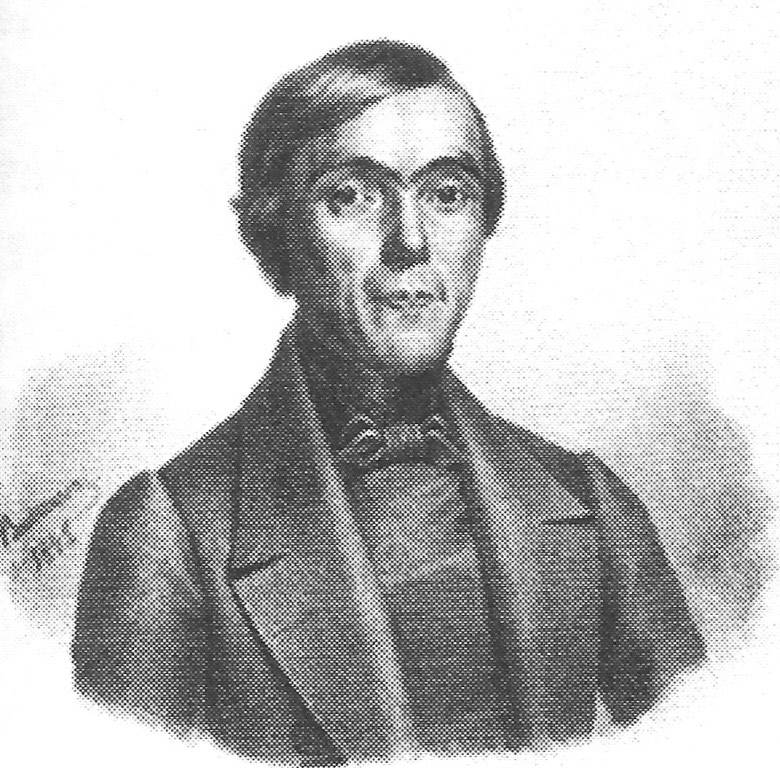

Elias Lönnrot (1802–1884) compiled the Kalevala from folk songs. RunoVerse has 3,640 folk-song records that the Finnish archives file under his name.
Some come from the notebooks of his journeys; these name the place, and many name the singer. Many more lie in his papers without a singer, a sure place or a sure date, and some are in other people's handwriting.
Singers named in his travel notebooks
The printed edition, Suomen Kansan Vanhat Runot, names the singer in the heading of many records from Lönnrot's travel notebooks. The most records come from these ten singers; their songs were written down from 1832 to 1835. The names are spelled as the edition spells them.
- Arhippa Perttuńe (usually written Arhippa Perttunen), Latvajärvi, 1834. 53 records, among them Sammon ryöstö, Kilpalaulanta, Ei itke iso minua, Vellamon neidon onginta.
All 53 records
- SKVR I1 54 Sammon ryöstö; Sammon taonta; Vieraalle maalle joutunut …
- SKVR I1 170 Kilpalaulanta; Taivaan taonta
- SKVR I1 171 Ei itke iso minua; Kilpalaulanta
- SKVR I1 251 Vellamon neidon onginta
- SKVR I1 297 Polvenhaava; Verensulku
- SKVR I1 362 Tuonelassa käynti
- SKVR I1 399 Vipusen virsi
- SKVR I1 468 Kilpakosinta
- SKVR I1 469 Kilpakosinta; Kultaneito
- SKVR I1 527 Kultaneito
- SKVR I1 615 Kanteleen soitto; Kanteleen synty; Kyynelten vierintä …
- SKVR I1 678 Nimettömät taudit
- SKVR I1 683 Väinämöisen tuomio
- SKVR I1 erill. [Kilpalaulanta] 1. (Latvajärvi)
- SKVR I1 erill. [Laivaretki ja kantele] 1. (Latvajärvi)
- SKVR I1 erill. [Sampo] 1. (Latvajärvi)
- SKVR I2 758 Ei ole miestä mennehestä; Kilpakosinta; Lemminkäisen surma …
- SKVR I2 758 a) Lemminkäisen surma; Lemminkäisen virsi
- SKVR I2 759 Lemminkäisen virsi; Saaren neidot
- SKVR I2 760 Lemminkäisen virsi
- SKVR I2 865 Hiiden hirven hiihdäntä
- SKVR I2 892 Iso härkä; Iso sika
- SKVR I2 925 Kalevanpojan kosto
- SKVR I2 978 Rutsa
- SKVR I2 1033 Hiihtävä surma
- SKVR I2 1103 Lapsenetsintävirsi; Marjavirsi; Saunanhakuvirsi
- SKVR I2 1105 Hiiden sepän kahlinta; Laulajan lopetussanoja; Maa kiven kovaksi laati …
- SKVR I2 1186 Sulho omenapuussa
- SKVR I2 1230 Iso tammi; Pilvilampi
- SKVR I2 erill. [Lemminkäisen virsi] 2. (Latvajärvi)
- SKVR I2 erill. [Lemminkäisen virsi] 3. (Latvajärvi)
- SKVR I3 1278 Aukaisen sanaisen arkun; Ennen metsä puita puuttuu; Laulajan alkusanoja …
- SKVR I3 1347 Ei loputen virttä lauleta; Laulajan lopetussanoja
- SKVR I3 1375 Käki jos olisin; Laulamaan luotu; Lintu on luotu lentämähän
- SKVR I3 1420 Hauki tiesi haudan pohjan; Kuulijat kullan solella, laulajat lehellä lemmen; Miten ollen, kuin elänen …
- SKVR I3 1471 Anna onni, suo Jumala; Päästä on päiveä parempi; Syöden kaunonen tulee, hyvä muoto nunnotellen
- SKVR I3 1998 Ahven arka, perse märkä; Harvoin on hauki maalla käynyt; Hauki hallalla kutee …
- SKVR I3 2005 Emo neuvoi poikoansa - juomingeissa; Laulakaamme lasta kaksi kuin yhen emosen lapset
- SKVR I3 2008 Emo neuvoi poikoansa - juomingeissa; Kumma kuulijoille; Mikä lie minua luonut …
- SKVR I3 2092 Ei se surma suorin tehnyt; Puita puuttu purren seppä
- SKVR I4 167 Verensulku
- SKVR I4 168 Raudan sanat; Raudan synty; Varjele, vakaini Luoja …
- SKVR I4 280 Tulen sanat
- SKVR I4 281 Sämpsä Pellervoinen; Tulen sanat; Tulen synty
- SKVR I4 410 Kateita ja noitia vastaan; Käärmeen sanat; Käärmeen synty …
- SKVR I4 411 Käärmeen pureman historiola; Käärmeen sanat; Käärmeen synty
- SKVR I4 836 Pistoksen synty; Pistos
- SKVR I4 837 Pistos; Tulen sanat; Tulen synty
- SKVR I4 905 Käärmeen synty; Lapsenetsintävirsi; Pilviin kadonnut poika …
- SKVR I4 1095 Anna onni, suo Jumala; Karhun metsästys; Metsälle lähtiessä
- SKVR I4 1096 Metsälle lähtiessä
- SKVR I4 1397 Karhua vastaan; Laulajan lopetussanoja
- SKVR I4 1656 Läävämadon synty; Läävämato
- Martiska Karjalaińi, Lonkka, 1834. 43 records, among them Sammon ryöstö, Väinämöisen ammunta, Taivaan taonta, Kilpalaulanta.
All 43 records
- SKVR I1 96 Sammon ryöstö
- SKVR I1 97 Maailmansyntyruno; Purren itku; Sammon taonta …
- SKVR I1 142 Taivaan taonta
- SKVR I1 189 Kilpalaulanta; Taivaan taonta
- SKVR I1 273 En mä elä elotta, asu ilman ammatitta; Kilpakosinta; Laulajan alkusanoja …
- SKVR I1 313 Polvenhaava; Verensulku
- SKVR I1 314 Polvenhaava
- SKVR I1 420 Ilmanimmen kosinta; Polvenhaava; Vipusen virsi
- SKVR I1 421 Vipusen virsi
- SKVR I1 497 Kilpakosinta
- SKVR I1 538 Kultaneito
- SKVR I1 647 Kanteleen soitto; Kanteleen synty; Kyynelten vierintä …
- SKVR I1 648 Laivaretki; Purren itku
- SKVR I1 695 Väinämöisen tuomio
- SKVR I1 695 a) Väinämöisen tuomio
- SKVR I1 695 b) Väinämöisen tuomio
- SKVR I1 696 Marketan runo; Mataleenan virsi; Väinämöisen tuomio
- SKVR I1 erill. [Sampo] 8
- SKVR I1 erill. [Sampo] 9
- SKVR I1 erill. [Sampo] 10
- SKVR I1 erill. [Sampo] 11
- SKVR I1 erill. [Vellamon neito] 2. (Lonkka)
- SKVR I1 erill. [Väin. tuomio] 2
- SKVR I2 813 Lemminkäisen virsi
- SKVR I2 814 Kaukamoisen virsi; Lemminkäisen virsi; Pilvilampi
- SKVR I2 815 Lemminkäisen surma; Lemminkäisen virsi
- SKVR I2 897 Iso härkä; Lyhyeltä virsi kaunis
- SKVR I2 1002 Kuolon sanomat
- SKVR I2 1123 Kun käsi hyvän tekee, sitä silmä katselee; Parempi on omalla maalla ropehesta vettä juoda; Sijan tiedän, missä synnyin …
- SKVR I2 1174 Koti toivo kuolleheksi; Rajasota; Sotaan lähtiessä
- SKVR I2 1184 Tapanin virsi
- SKVR I2 erill. [Lemminkäisen virsi] 5. (Lonkka)
- SKVR I3 2013 Väinämöisen kielto
- SKVR I4 197 Verensulku
- SKVR I4 198 Raudan sanat; Raudan synty
- SKVR I4 306 Tulen sanat
- SKVR I4 307 Tulen sanat; Tulen synty
- SKVR I4 1123 Koiran synty; Laulajan alkusanoja; Metsälle lähtiessä …
- SKVR I4 1211 Karhun metsästys
- SKVR I4 1250 Eivät tässä laudat laula; Karhun metsästys; Tulin vanhaksi varahin …
- SKVR I4 1251 Karhunpeijaiset
- SKVR I4 1252 Anna onni, suo Jumala; Karhunpeijaiset
- SKVR I4 1416 Karjaa laitumelle laskettaessa
- Trohkimaińi Soava, Akonlaksi, 1832. 23 records, among them Kanteleen soitto, Kilpalaulanta, Tuonelassa käynti, Vipusen virsi.
All 23 records
- SKVR I1 30 Kanteleen soitto; Kanteleen synty; Kilpakosinta …
- SKVR I1 159 Kilpalaulanta
- SKVR I1 355 Tuonelassa käynti
- SKVR I1 387 Vipusen virsi
- SKVR I1 450 Kilpakosinta
- SKVR I1 520 Kilpalaulanta; Kultaneito; Laivaretki …
- SKVR I1 598 Kanteleen soitto; Kanteleen synty
- SKVR I1 599 Laivaretki
- SKVR I1 674 Nimettömät taudit
- SKVR I1 erill. [Laivaretki ja kantele] 4. (Akonlaksi)
- SKVR I1 erill. [Polvenhaava] 2. (Akonlaksi)
- SKVR I1 erill. [Vellamon neito] 5. (Akonlaksi)
- SKVR I1 erill. [Vellamon neito] 6. (Akonlaksi)
- SKVR I2 729 Kaukamoisen virsi; Lemminkäisen virsi; Saaren neidot
- SKVR I2 730 Lemminkäisen surma; Lemminkäisen virsi
- SKVR I2 863 Hiiden hirven hiihdäntä
- SKVR I2 970 Rutsa
- SKVR I2 1064 Kaarlon sota
- SKVR I4 66 Pakkasen sanat; Pakkasen synty
- SKVR I4 136 Raudan sanat; Raudan synty; Verensulku
- SKVR I4 249 Tulen sanat; Tulen synty
- SKVR I4 495 Erilaisia parannusloitsuja; Jumala on pesemättä puhtukainen; Nimettömät taudit
- SKVR I4 1085 Koiran synty; Metsälle lähtiessä; Metsästäjän varautuminen kateita vastaan
- Varahvontta Sirkeińi, also called Jamala or Jamańi, Uhut, 1835. 22 records, among them Lemminkäisen virsi, Väinämöisen ammunta, Maailmansyntyruno, Kilpalaulanta.
All 22 records
- SKVR I1 109 Lemminkäisen virsi; Sammon ryöstö
- SKVR I1 110 Väinämöisen ammunta
- SKVR I1 111 Maailmansyntyruno; Väinämöisen ammunta
- SKVR I1 195 Kilpalaulanta; Taivaan taonta
- SKVR I1 321 Polvenhaava; Väinämöisen ammunta
- SKVR I1 345 Venepuun etsintä
- SKVR I1 377 Tuonelassa käynti; Vipusen virsi
- SKVR I1 540 Kultaneito
- SKVR I1 541 Kuin en nainut naiskulua; Kultaneito
- SKVR I1 658 Kanteleen soitto; Kanteleen synty; Kultaneito …
- SKVR I1 659 Laivaretki; Purren itku; Venepuun etsintä
- SKVR I1 699 Marketan runo
- SKVR I1 erill. [Kilpalaulanta] 4. (Uhut)
- SKVR I2 834 Lemminkäisen surma; Lemminkäisen virsi; Saaren neidot
- SKVR I2 879 Hiiden hirven hiihdäntä
- SKVR I2 899 Iso härkä; Iso sika
- SKVR I2 940 Kalevanpojan kosto
- SKVR I2 1052 Ahdin ja Kyllikin runo; Iivanan virsi
- SKVR I2 1125 Hiiden sepän kahlinta; Lapsenetsintävirsi; Marjavirsi
- SKVR I2 1239 Iso tammi; Pilvilampi
- SKVR I2 erill. [Lemminkäisen virsi] 4. (Uhut)
- SKVR I3 1299 Kehoitus laulamaan; Laki lauloa lupasi; Laulajan alkusanoja …
- Ontrei Malińi (usually written Ontrei Malinen), Vuonninen, 1833. 12 records, among them Sammon ryöstö, Kilpalaulanta, Vellamon neidon onginta, Vipusen virsi.
All 12 records
- SKVR I1 79 a) Maailmansyntyruno; Polin puulle pyörivälle; Sammon ryöstö …
- SKVR I1 185 a) Kilpalaulanta; Taivaan taonta
- SKVR I1 262 Vellamon neidon onginta
- SKVR I1 412 Vipusen virsi
- SKVR I1 487 Kerskaukset ja varaukset; Kilpakosinta
- SKVR I1 640 Kanteleen soitto; Laivaretki; Purren itku …
- SKVR I1 689 Marketan runo; Väinämöisen tuomio
- SKVR I1 erill. [Kilpakosinta] 2. (Vuonninen)
- SKVR I1 erill. [Laivaretki ja kantele] 2. (Vuonninen)
- SKVR I1 erill. [Tuonelassa käynti] 3. (Vuonninen)
- SKVR I2 794 Kilpakosinta; Lemminkäisen virsi; Sammon ryöstö
- SKVR I2 erill. [Sisaren turmelus] 1. (Vuonninen)
- Jyrki Kettuńe, Tsena, 1834. 9 records, among them Sammon ryöstö, Kilpalaulanta, Polvenhaava, Vipusen virsi.
All 9 records
- SKVR I1 63 c) Kanteleen synty; Sammon ryöstö; Sammon taonta …
- SKVR I1 174 Ihmehevonen; Kilpalaulanta
- SKVR I1 300 Polvenhaava
- SKVR I1 403 a) Vipusen virsi
- SKVR I1 479 Kilpakosinta
- SKVR I1 622 a) Kanteleen soitto; Vipusen virsi
- SKVR I2 867 Hiiden hirven hiihdäntä
- SKVR I2 927 Kalevanpojan kosto; Kuolon sanomat
- SKVR I2 1000 Kuolon sanomat
- Miihkalińe Simana, Kellovaara, 1835. 9 records, among them Kanteleen soitto, Polvenhaava, Kultaneito, Kanteleen synty.
All 9 records
- SKVR I1 1 Kanteleen soitto; Kanteleen synty; Maailmansyntyruno …
- SKVR I1 281 Polvenhaava
- SKVR I1 514 Akan poika; Kultaneito
- SKVR I1 574 Kanteleen soitto; Kanteleen synty
- SKVR I2 955 Rutsa
- SKVR I2 1211 Hanhi kadonnut; Nuorena sotaan viety veli
- SKVR I2 erill. [Hiiden hirvi] 1. (Kellovaara)
- SKVR I4 123 Verensulku
- SKVR I4 354 Hämähäkin runo; Hämähäkin sanat; Revon valitus
- Moarie, the sister of Arhippa of Latvajärvi, Kellovaara, 1835. 7 records, among them Hirttäytynyt neito, Purren itku, Lemminkäisen virsi, Saaren neidot.
All 7 records
- SKVR I1 208 Hirttäytynyt neito; Kolme käkeä; Älköön emoton kuunnelko käkeä
- SKVR I1 573 Purren itku
- SKVR I2 701 Lemminkäisen virsi
- SKVR I2 954 Rutsa; Saaren neidot
- SKVR I2 1144 Lunastettava neito; Myyty neito
- SKVR I3 1662 Appi karhu kartanolla, anoppi susi tuvassa; Ei ole ennen ollut tämän sulhasen somuutta; Hääkansan ylistys …
- SKVR I3 1903 Kuulijat kullan solella, laulajat lehellä lemmen; Päivän kera kilpaa; Rikoilla kuuntelija …
- Vaassila Kielöväińi (usually written Vaassila Kieleväinen), Vuonninen, 1833. 6 records, among them Kilpakosinta, Vellamon neidon onginta, Kerskaukset ja varaukset, Kultaneito.
All 6 records
- SKVR I1 80 Iivana Kojosenpoika; Joka puu puree, joka sammakko sanoo; Kalevanpojan kosto …
- SKVR I1 263 Vellamon neidon onginta
- SKVR I1 488 Kerskaukset ja varaukset; Kilpakosinta
- SKVR I1 532 Kultaneito; Vellamon neidon onginta
- SKVR I1 erill. [Kojosen poika] 1. (Vuonninen)
- SKVR I2 931 Kalevanpojan kosto
- Lukkańi Huotari, Ponkalaksi, 1833. 3 records, among them Kilpalaulanta, Vellamon neidon onginta, Lemminkäisen virsi.
All 3 records
- SKVR I1 184 Kilpalaulanta
- SKVR I1 259 Kilpalaulanta; Vellamon neidon onginta
- SKVR I2 793 Lemminkäisen virsi
Did Lönnrot write them all down?
That cannot be said of the set as a whole. The archives name the manuscripts a text lies in, not the person who held the pen. Lönnrot's papers also hold texts in other people's handwriting, his own copies of printed texts and poems by named authors.
It is safe to say that he wrote a song down himself where a record from his travel notebooks names the singer and the place, as the records of the ten singers above do.
Lönnrot's own books on RunoVerse
The Kalevala and the Kanteletar are books that Lönnrot compiled from folk songs and partly wrote himself. RunoVerse keeps them as literary works, and they are not counted among the records on this page.
- The Kalevala of 1849, canto by canto
- The Old Kalevala of 1835 in the reader
- The Kanteletar in the reader
- Lönnrot on the collectors page
- What is a runosong (runolaulu, regilaul)?
Counts
Records filed under Lönnrot's name on RunoVerse
- Suomen Kansan Vanhat Runot (SKVR), the printed edition: 2,402
- Julkaisemattomat Runot (JR), unpublished folk poetry from the Finnish Literature Society: 1,238
Places
2,133 records name a parish or a village, 937 only a region and 570 no place. A record that names two places is counted under both.
- Vuokkiniemi: 355
- Tuupovaara: 335
- Ilomantsi: 306
- Uhtua: 174
- Kontokki: 156
- Pielisjärvi: 114
- Kesälahti: 82
- Liperi: 69
- Kitee: 65
- Kerimäki: 54
- Eno: 51
- Nurmes: 40
- Rääkkylä: 35
- Jyskyjärvi: 32
- Kattila: 30
- Kiihtelysvaara: 25
- Sotkamo: 21
- Suomussalmi: 21
- Kontiolahti: 20
- Urjala: 19
- Vesilahti: 16
- Tohmajärvi: 14
- Kiuruvesi: 13
- Repola: 10
- Jaakkima: 9
- Kajaani: 9
- Kurkijoki: 7
- Tampere: 7
- Sääksmäki: 6
- Juuka: 5
- Kiimaisjärvi: 4
- Rautalampi: 4
- Kiestinki: 3
- Salla: 3
- Viitasaari: 3
- Iisalmi: 2
- Juva: 2
- Kajaani mlk: 2
- Mäntyharju: 2
- Pistojärvi: 2
- Suistamo: 2
- Sääminki: 2
- Tottijärvi: 2
- Hirvensalmi: 1
- Hämeenlinna: 1
- Impilahti: 1
- Kivijärvi: 1
- Kuhmo: 1
- Kuopio: 1
- Lieksa: 1
- Paltamo: 1
- Pielavesi: 1
- Pälkjärvi: 1
- Rantasalmi: 1
- Rukajärvi: 1
- Savonlinna: 1
- Sortavala mlk: 1
- Temmes: 1
Regions named by the records that name no parish:
- Etelä-Karjala: 492
- Viena: 321
- Pohjois-Pohjanmaa: 237
- Kainuu: 108
- Pohjois-Karjala: 40
- Etelä-Savo: 17
- Häme: 8
- Pohjois-Savo: 8
- Aunus: 3
Song types
2,292 of the 2,402 SKVR records have a song type in the archive's index; the JR records have none. The 30 types found most often:
- Lemminkäisen virsi: 46
- Tulen sanat: 40
- Kanteleen soitto: 36
- Kilpakosinta: 33
- Käärmeen sanat: 32
- Laivaretki: 32
- Tulen synty: 31
- Verensulku: 30
- Metsälle lähtiessä: 27
- Sammon ryöstö: 26
- Käärmeen synty: 25
- Laulajan alkusanoja: 24
- Polvenhaava: 24
- Väinämöisen ammunta: 24
- Lemmennostoloitsut: 23
- Vipusen virsi: 22
- Kanteleen synty: 21
- Laulajan palkka: 21
- Pistos: 21
- Raudan sanat: 21
- Kilpalaulanta: 20
- Kultaneito: 20
- Lunastettava neito: 20
- Pistoksen synty: 20
- Raudan synty: 19
- Purren itku: 18
- Kalevanpojan kosto: 17
- Karhua vastaan: 17
- Sammon taonta: 17
- Kyynelten vierintä: 16
Records from his travel notebooks by the year in their heading
562 of the SKVR records come from his travel notebooks, from 458 notebook entries: the edition often prints the songs of one entry as separate records. Their headings carry the date of the entry:
- 1828: 1
- 1831: 2
- 1832: 76
- 1833: 57
- 1834: 294
- 1835: 122
- 1837: 1
- 1839: 1
- uncertain year: 7
- no year: 1
About this page
The page counts the records of two collections on RunoVerse, Suomen Kansan Vanhat Runot (SKVR) and Julkaisemattomat Runot (JR), whose collector field names Elias Lönnrot.
To see who wrote the texts down, the AI model Claude Opus 5.5 read 40 of the records, drawn across the years, for this page on 14 November 2026. One comes from a travel notebook and names its singer, and another is probably his own entry too. Of two more, one is another person's manuscript and one is his copy of a printed text. For the other 36 the record does not tell who wrote the text down.
The page gives no table of years. In the archive database the year is the date of an entry only in the travel notebooks; elsewhere it can date a whole series of manuscripts, a print or another person's manuscript, and the papers in JR often carry a span of years.
Where a record's heading gives a place with a question mark, or names two regions, the place is uncertain; RunoVerse shows it without the question mark.